Before Words: Ayahuasca and the Language Beyond Language
It began with a scream. Primal.
Not the contained release of emotion that sometimes ripples through ceremony, nor the trembling cry of someone passing through memory, but something older. Raw. Continuous. A sound torn loose from meaning.
Exorcism or Integration? Trauma, Dissociation, and Plant Medicine
When K first arrived, she did not arrive alone.
Nothing in her appearance would have alerted an untrained eye. She was articulate. Functional. She had raised two children. She moved through the world with the outward coherence of someone who had lived a normal life.
Turning Toward: Ayahuasca in the Lineage of Wounded-Healing Traditions
“The wound is the place where the Light enters you.” —Rumi
Purging Civilization: Ayahuasca, Anarchy, and the Politics of Inner Cleansing
It was a warm, cloudy afternoon. The men of the tribe gathered under the shade of a great samaúma, the queen of the jungle. A few guitars and drums rested nearby. The Varinawa love music; they weave it into every occasion, as naturally as breathing. Some sat on the giant roots of the tree, others on pieces of wood, others directly on the soft, sandy ground.
Where We Do Not Run from the Storm
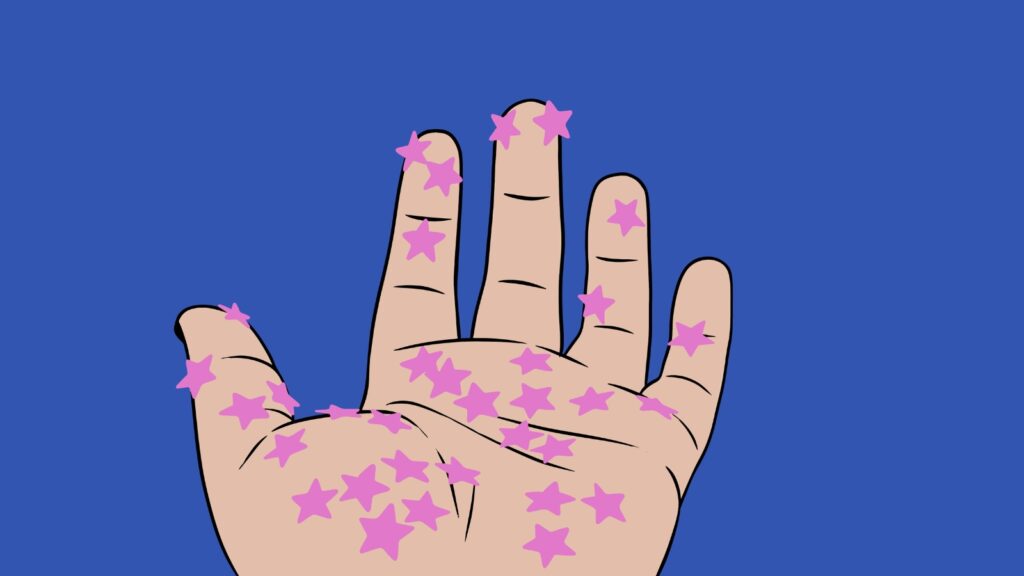
Crying children, wounded adults, and what psychedelic medicine teaches us about staying.
The Vine of the Dead: Ayahuasca, Science, and the Art of Dying Before You Die
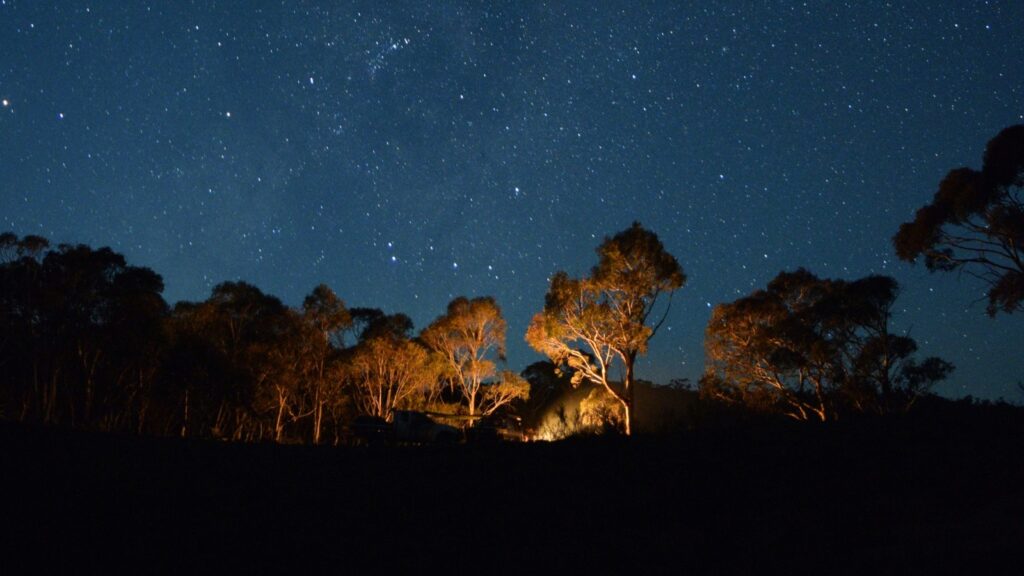
To die is to return to the forest that dreamt us. -Shipibo saying
1 — The Ceremony of the Old Woman
It was one of those nights. The rainy season. The jungle air was thick enough to drink, and inside the maloka, the smoke from palo santo and tobacco swirled in slow, blue spirals, hanging in the air like a prayer.
The Jungle vs. Big Pharma: What Ayahuasca Taught Me About the Politics of Healing
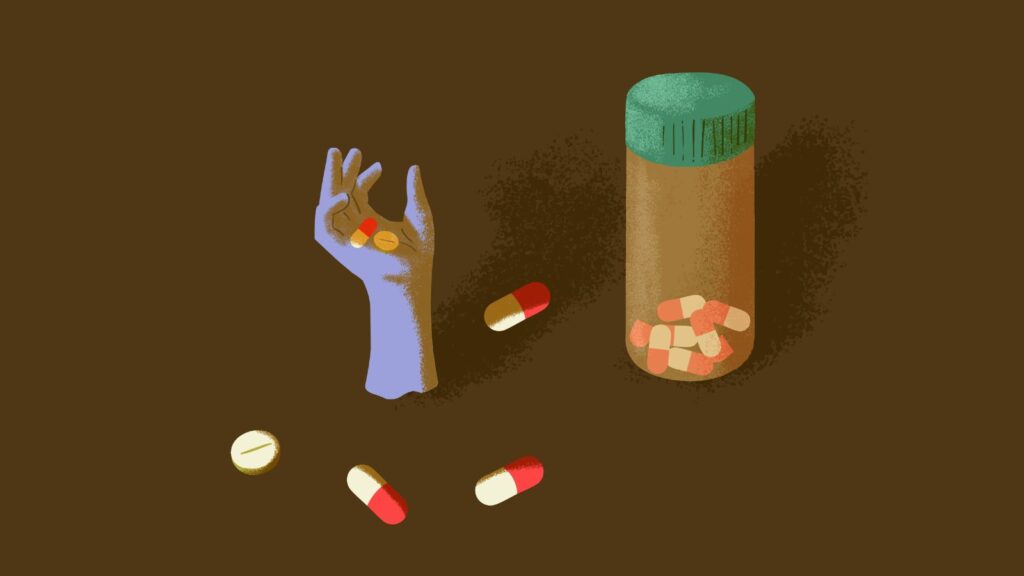
How a vine from the rainforest exposes the cracks in billion-dollar psychiatric models.
I run a medicine center deep in the Peruvian Amazon. Every week, people arrive after years, sometimes decades, under the rule of antidepressants, anxiolytics, sleeping pills, and the entire alphabet of psychiatric pharmacology. They come with empty eyes, heads slightly bent, slow movements, faces that forgot how to smile: the full palette of the unhappy, zombie people produced by modern psychiatry.
Flowing With the River, Dreaming With the Jaguar
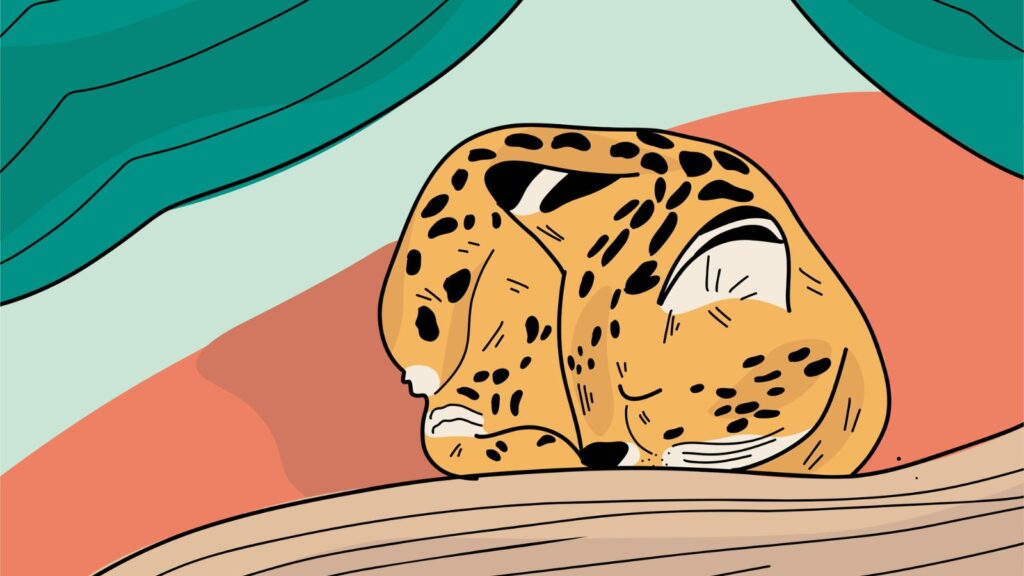
Taoism as we know it today—with its parables, paradoxes, and subtle metaphysics—did not begin as abstract philosophy. Its roots lie in the shamanic soil of ancient China. Long before Zhuangzi or Laozi, the wu (巫 shamans) mediated between humans and the spirit world. The character resembles two figures dancing doing the job of connecting the sky to the earth.
The Frog That Wakes Us: Kambô and the Art of Belonging
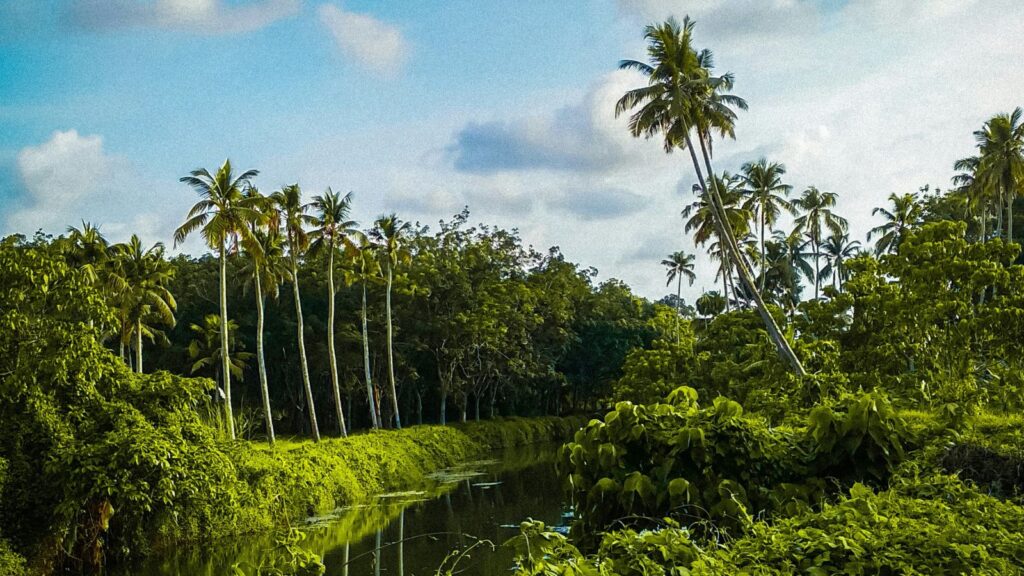
In the forests of Acre, where Brazil leans into Peru, the night is stitched with frog-song. One voice belongs to Phyllomedusa bicolor, the giant monkey frog. Its pale-green skin holds a secretion that is both used as poison for hunting and revered as medicine for healing: Kambô.
The Language of Ayahuasca: How the Vine Speaks in Symbols, Sensations, and the Subconscious
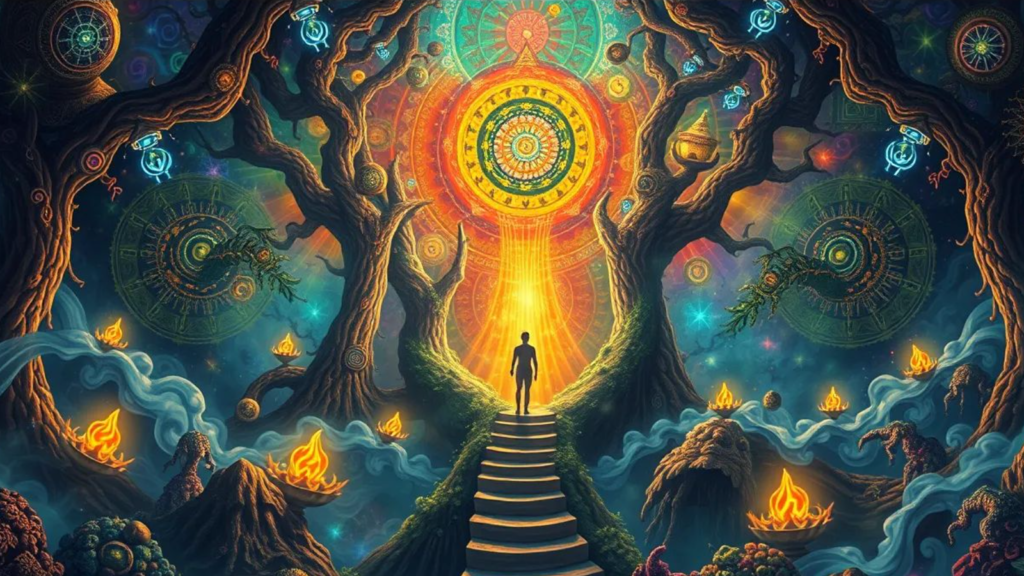
The first time I set foot on that sacred mountain, scattered with ancient temples, the world below began to melt away. The noise of the city, the weight of its endless chatter, fell away with each bend in the winding path. At the summit stood a small hut, home to a Zen hermit who lived with almost nothing: a kettle for tea, a mat for meditation, and the quiet repetition of a mantra as he walked with his wooden stick.