Written By: Fabrizio Beverina
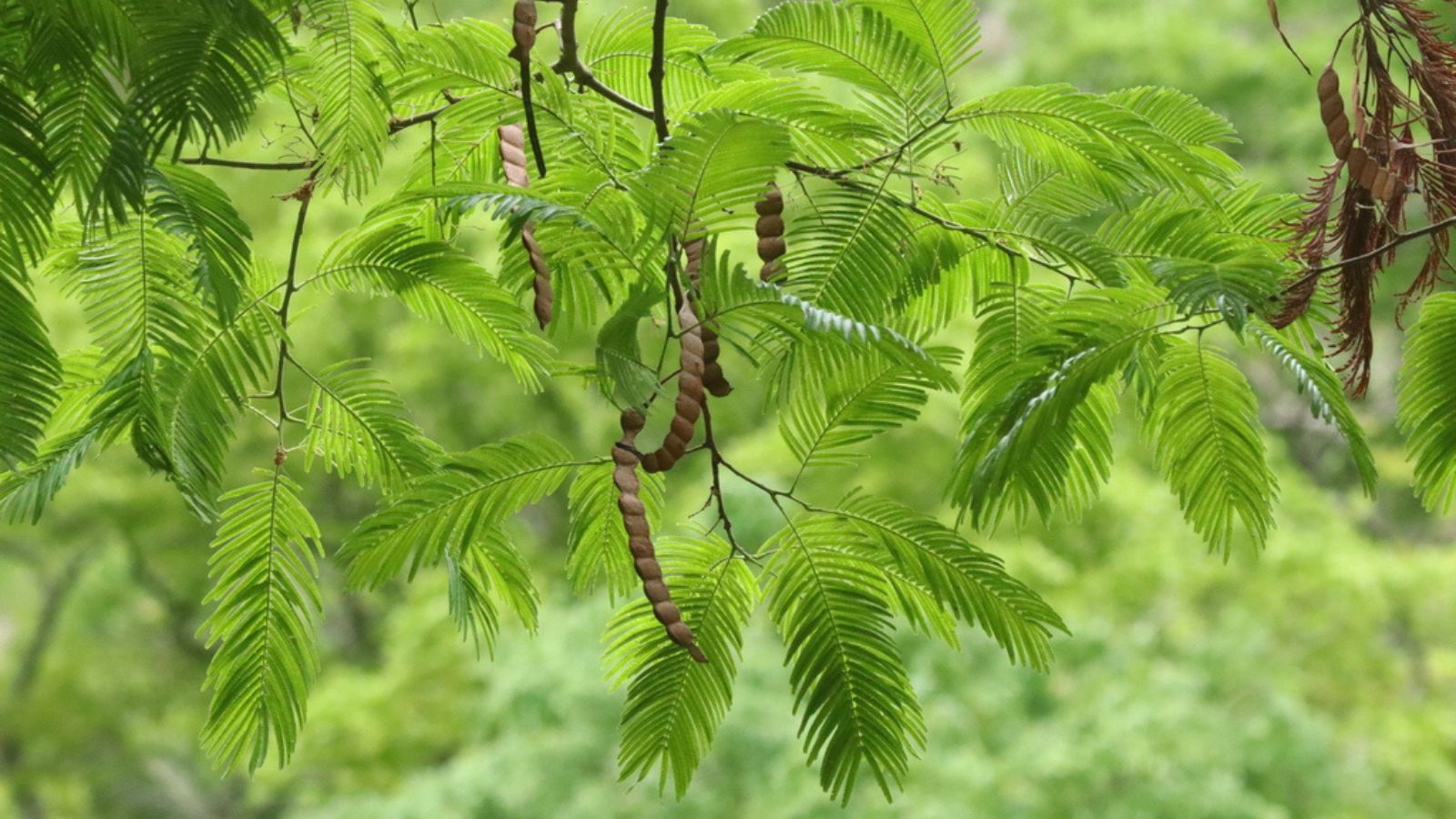
Yopo (Anadenanthera peregrina) is a small, graceful tree native to the tropical savannas and forests of South America and the Caribbean. Its seeds hold a potent secret—a complex mix of psychoactive alkaloids that Indigenous peoples have used for thousands of years to heal, divine, and travel to the spirit world.
My First Encounter with Yopo
The first time I met this medicine was in Colombia. A friend—a lawyer who shared my fascination for ancestral medicines—invited me to a yopo ceremony led by a Venezuelan shaman traveling through the country.
The shaman sat cross-legged before the fire, his hair crowned with colorful feathers, a long necklace of red seeds and animal teeth resting on his chest. His face was dark, his eyes darker still, reflecting the flicker of the flames. In his hands, a small plastic container held the powdered yopo.
When my turn came, I knelt before him. The bird-bone tube met my nostril, and with a sharp, deliberate breath, he sent the powder deep into my skull. Fire. Tears. Like a bullet in the head, followed by a flood racing upward, as if my thoughts had been set alight. The second nostril—the second bullet. My body swayed; I could feel the earth’s slow heartbeat under my knees.
The world split open. A long tunnel appeared before me, turning with colorful patterns. I remembered my friend’s advice: “The fractals are just the door to the vision space—concentrate and go through the door.” So I did.
A luminous woman appeared, dancing with light, quick steps. Her face was painted, her dress a cascade of colors that swirled as she moved. She smiled—not just at me, but into me—and then she was gone, replaced by other faces emerging from the darkness. Some were human, others were something older, less definable. None spoke aloud, yet all conveyed the same message: pointing toward a way of living I had forgotten—the Indigenous way, simple, rooted, and beautiful.
Somewhere in the distance, the shaman’s voice wove through the vision like a thread of sound holding the whole fabric together. Time dissolved. There was only the river of vision, carrying me with its current of truth.
When I returned—if you could call it that—my face was wet, my chest felt lighter, and the night still seemed to lean toward me, waiting for the next chapter. I blew my nose, and the shaman smiled, lifting the pipe and the powder as an invitation. I accepted—another couple of blows, another ride—and this time, it was enough.
Later, I told him about the visions of ancestral shamans and the Indigenous way of living. He nodded and said the medicine had connected me, through him, to his homeland—to the people who have always worked with yopo, and to the jungle that still nurtures the trees from which it is born.
Ancient Roots
Archaeological evidence places yopo’s ritual use at least 4,000 years ago. Stone snuffing trays, ornate bird-bone inhalation tubes, and residue analysis of pottery all testify to its presence across the Orinoco basin, the Venezuelan Llanos, and Caribbean islands such as Puerto Rico and Hispaniola. Among the Arawak, Taíno, Piaroa, Yanomami, and Sáliba peoples, yopo has never been seen as a mere intoxicant. It is—and remains—a sacred messenger, a bridge between human consciousness and the cosmos.
In oral traditions, the seeds are described as gifts from celestial beings or as containing the breath of the first ancestors. The plant’s spirit is said to open the vision necessary for healing, hunting, and resolving disputes—offering guidance from a realm beyond human deception.

The Ceremony
A traditional yopo ceremony is both intimate and cosmic. The seeds are roasted gently over a low fire until they release a nutty aroma, then ground into a fine powder and mixed with alkaline ash—often from Theobroma subincanum or other hardwoods—to activate the alkaloids.
The community gathers in the evening, when the air cools and the jungle’s chorus swells. The shaman or elder sits at the center with a hollow bird-bone tube. One by one, participants kneel. With a sudden, forceful breath, the shaman blows the powder deep into their nostrils. The burn is fierce. Tears stream, mucus flows, and the taste of the forest floods the mouth.
Moments later, the visions begin—jaguar spirits slip from the shadows, serpents weave rivers of light, and ancestors speak in a language older than memory. Around the fire, participants rise and begin to dance, some holding carved sticks that echo the ancient rituals of the hunt. The steady beat of drums and the rattle of maracas keep them anchored in the circle, a lifeline between the vision space and the physical world. In this space, the medicine can reveal the root of an illness, point the way toward a coming hunt, or dissolve personal conflicts into clear understanding.
Modern Use and Cultural Revival
By the late 20th century, yopo had been driven into the shadows. Missionary campaigns condemned it as the devil’s work, while anti-drug laws criminalized its use. In many regions, the songs, the blowing tubes, and the roasting fires went silent. But medicines like yopo do not die easily. In recent decades, it has begun to rise again—carried forward by Indigenous efforts to protect their traditions and by a growing wave of seekers drawn to the deeper roots of plant medicine.
Today, yopo still breathes in the Orinoco basin, in the hands of the Piaroa, Yanomami, and Sáliba peoples. Outside its homelands, it has found its way into syncretic and neo-shamanic ceremonies, sometimes married with vilca (Anadenanthera colubrina) or even blended with ayahuasca in what some call yopohuasca.
At our center, we began working with yopo many years ago. One night, in the midst of an ayahuasca ceremony, the plant itself showed me a recipe: mix yopo seed powder with the dry, potent sediments collected at the bottom of an ayahuasca bottle. The first time we tried it, the result was staggering—the usual 20–30 minute flight stretched to a deep 90–120 minute journey. Likely, the MAO inhibitors in the ayahuasca residue kept the yopo’s DMT alive in the bloodstream far longer.
We now use yopo between ayahuasca ceremonies, as a bridge to continue the work. Its spirit is different: when the visions fade, you are wrapped in a blanket of physical bliss—an almost post-orgasmic well-being—that makes it easy to slip into sleep. Unlike ayahuasca, which can keep you awake for hours, yopo lets you rest. It is often intensely visionary, offering those who saw little with ayahuasca a second chance to step through the door.
Over time, we noticed another curious phenomenon: in women, yopo often becomes highly sexual. It’s not uncommon for female participants to experience spontaneous orgasms during the ceremony—in one case, a woman had three in a row. Perhaps this is because yopo carries a distinctly female spirit, or perhaps it’s the way it floods the body with sensations of pleasure and openness.
From a scientific perspective, the combination of bufotenine, DMT, and 5-MeO-DMT may stimulate limbic system activity while simultaneously relaxing muscular and emotional tension, creating the conditions for involuntary orgasm. We don’t know the exact mechanism, but we have observed this unusual and consistent pattern—a strange anomaly that seems unique to yopo.
Like ayahuasca, yopo can also work with fierce precision. I have seen it dissolve deep grief over the death of a parent, guide a man to humility after years of harsh judgment, and help a young woman release a generational wound by reliving the rape her mother endured.
One night, I witnessed something I’ll never forget. A young shaman woman, already carried deep by the yopo spirit, asked for another blow. She said she felt a call: someone in the circle needed her. After the second shot, her own personality vanished. In its place came a fierce, commanding presence, as if she had been possessed by a nun of the Middle Ages catching another nun in mortal sin—or a priest of the Holy Inquisition ready to brandish fire and brimstone.
She stood before a woman struggling with alcohol and unleashed a torrent of words that cut like a whip:
“Confess! Repent! Don’t you see? You are destroying your body, your family, everything you love! Aren’t you ashamed?”
The client collapsed into sobs, fragments of apology spilling out between gasps. Then came the purge—violent vomiting, like a fountain bursting in the middle of the ceremony. For half an hour, the possession continued, the young shaman’s voice slicing through the night like a blade of divine judgment.
Finally, the fire faded, and she softened back into herself. She explained that during the trance she had felt the woman’s liver screaming inside her—screaming for years without being heard—and at last, through her voice, it had its chance to speak.
Sometimes yopo works like this: not gently, but with fire, dragging the truth to the surface. It can bring purging, shake the body in violent release, or make a person move as if dancing out the trauma stored in their muscles.
Yopo is a medicine waiting to be rediscovered. In some ways, it is easier to handle than ayahuasca—its effects are shorter—yet it is equally potent. It doesn’t touch only the mind’s visions; it reaches into the body’s hidden stories, the ones we carry in silence, and demands that they be told.

Healing and the Spirit of the Seed
For the peoples of the Orinoco and Amazon, yopo is more than a vision-bringer. It is also a healer. A shaman may take it not only to travel to the world of spirits but to see the root of an illness—whether it hides in the body, the heart, or the invisible threads of a person’s relationships.
In smaller doses, yopo can act like a stimulant, sharpening focus and stamina for hunters. Its sharp burn clears the sinuses, often bringing sneezing and a flood of tears—not seen as side effects, but as part of the medicine’s cleansing. It can also help to unburden the emotions: grief, fear, and heavy memories are loosened and washed away in this purge.
The power of the seed lies in its unique blend of psychoactive tryptamines:
- Bufotenine (5-HO-DMT) – Usually the most abundant, responsible for intense visuals, body sensations, and the sudden flushing of the skin.
- DMT (N,N-Dimethyltryptamine) – Brings depth, structure, and narrative to the visions.
- 5-MeO-DMT – Found in smaller amounts, adding a sense of unity, dissolution, and profound silence.
In their raw state, these alkaloids are trapped in a salt form that the body cannot absorb well through the nose. The addition of alkaline ash—a detail passed down through generations—transforms them into freebase form, unlocking their full potency.
Once inhaled, the effect is immediate—within seconds the world begins to tilt—peaking in the first few minutes and gradually fading after 20–40 minutes. Yet the afterglow can linger for hours: a calm body, a lighter chest, a quiet mind.
The Call of an Ancient Medicine
Yopo is not a plant that asks politely. It comes as a rush of fire through the nostrils, a flood through the senses, a river that sweeps you beyond the boundaries of self. For the people who have tended it for millennia, it is not a pastime but a pact—an agreement between human and plant spirit, sealed with tears and vision.
Yopo is a medicine that deserves to be rediscovered and studied with seriousness. Its effects on body, mind, and emotion are undeniable to those who have experienced it. For thousands of years, it has been used as a tool for healing, vision, and diagnosis—and yet, modern science has barely touched its potential.
Research could help us understand how its alkaloids interact with human physiology, how it supports emotional release, and why it can bring such profound states of awareness in such a short span of time. But this exploration should happen with respect for the cultures that have carried it until now, ensuring that study and preservation go hand in hand.
In our modern world, where ancient medicines are too often stripped of their roots and repackaged for consumption, yopo reminds us that true healing is not just in the molecule but in the relationship—with the land that grew the tree and the spirits who guard its path.
It is an old seed, but when it germinates in the mind, it grows forests.
Photos courtesy of iNaturalist.